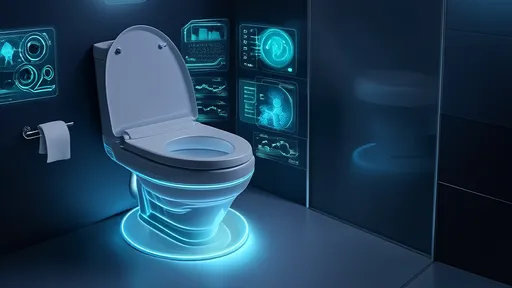
The integration of smart technology into everyday household items has reached a new frontier with the emergence of intelligent toilets capable of analyzing fecal microbiota. These cutting-edge devices, once considered futuristic, are now making their way into modern bathrooms, offering users unprecedented insights into their gut health. The convergence of sanitation and biotechnology represents a significant leap forward in personalized healthcare, transforming a routine bodily function into a valuable diagnostic opportunity.
How Smart Toilets Decipher the Microbial Universe Within Us
The human gut microbiome consists of trillions of microorganisms that play crucial roles in digestion, immunity, and even mental health. Traditional methods of analyzing these microbial communities have required stool sample collection kits, laboratory processing, and often weeks of waiting for results. Smart toilets eliminate these cumbersome steps by incorporating advanced sensors and artificial intelligence directly into the porcelain throne. As waste enters the bowl, optical sensors scan the sample while microfluidic channels separate liquid and solid components for analysis. Machine learning algorithms then compare the findings against vast databases of microbial profiles, detecting imbalances or potential health concerns.
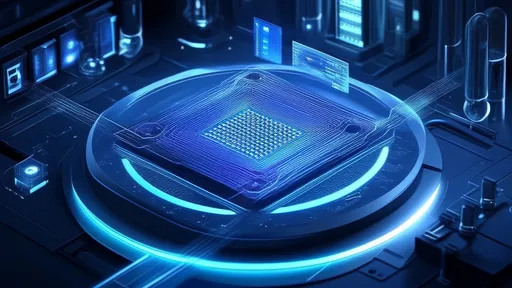
The technology behind these toilets represents a marvel of miniaturization. Where once entire laboratories were needed to perform such analyses, now credit-card-sized sensor arrays can identify bacterial strains, measure pH levels, and detect biomarkers of inflammation. Some models even incorporate DNA sequencing capabilities to provide strain-level identification of microorganisms. This continuous monitoring creates a longitudinal health record far more valuable than occasional snapshots provided by clinical tests.
Privacy Concerns and Data Security in the Most Vulnerable Moment
As with any device collecting sensitive health information, smart toilets raise important questions about data privacy. Manufacturers emphasize robust encryption protocols for transmitting analysis results to paired smartphones or healthcare providers. However, cybersecurity experts warn that a bathroom fixture connected to the internet presents unique vulnerabilities. The very nature of the data - potentially revealing intimate details about digestion, disease states, or even medication use - makes these devices particularly attractive targets for hackers.
The industry faces the challenge of implementing security measures that don't compromise usability. Biometric authentication ensures only authorized users can access their data, while local processing (rather than cloud-based) of sensitive information reduces exposure. Some models feature physical switches that disable connectivity entirely for privacy-conscious users. As regulations struggle to keep pace with innovation, the burden falls on manufacturers to establish ethical data practices for this most personal of health monitoring devices.
Transforming Preventive Healthcare Through Daily Rituals
The true potential of microbiome-analyzing toilets lies in their ability to detect health issues before symptoms appear. Subtle changes in gut bacteria composition can signal the onset of conditions ranging from inflammatory bowel disease to diabetes. By establishing individual baselines and monitoring deviations over time, these smart devices could provide early warnings that prompt lifestyle changes or medical consultation. For patients with chronic digestive conditions, continuous monitoring offers a way to track treatment effectiveness and disease progression without frequent doctor visits.
This technology particularly benefits populations with limited healthcare access, as it brings sophisticated diagnostics into the home. Elderly users appreciate the discreet monitoring that doesn't require remembering to perform tests. Parents gain insights into their children's gut health without the struggle of sample collection. Athletes and fitness enthusiasts can optimize performance by tracking how dietary changes affect their microbiome. The applications extend beyond human health too - some veterinary versions are being developed for household pets.
The Future of Bathroom-Based Diagnostics
As the technology matures, future iterations may incorporate additional health monitoring features. Imagine toilets that analyze urine for kidney function, detect blood sugar levels, or identify viral infections through waste. Integration with electronic health records could provide physicians with comprehensive data to inform treatment decisions. Some prototypes even explore therapeutic functions, potentially delivering targeted probiotics based on analysis results.
The adoption curve for these advanced toilets follows patterns seen with other smart home devices - from luxury novelty to mainstream necessity. As costs decrease and evidence of health benefits accumulates, what begins as a curiosity for early adopters may become standard in home construction. The bathroom, often the most private space in a home, is poised to become the front line of preventive healthcare through innovations that transform waste into valuable health intelligence.

By /Jul 18, 2025
By /Jul 18, 2025
By /Jul 18, 2025

By /Jul 18, 2025
By /Jul 18, 2025

By /Jul 18, 2025
By /Jul 18, 2025

By /Jul 18, 2025

By /Jul 18, 2025

By /Jul 18, 2025

By /Jul 18, 2025

By /Jul 18, 2025

By /Jul 18, 2025

By /Jul 18, 2025

By /Jul 18, 2025

By /Jul 18, 2025
By /Jul 18, 2025

By /Jul 18, 2025

By /Jul 18, 2025

By /Jul 18, 2025